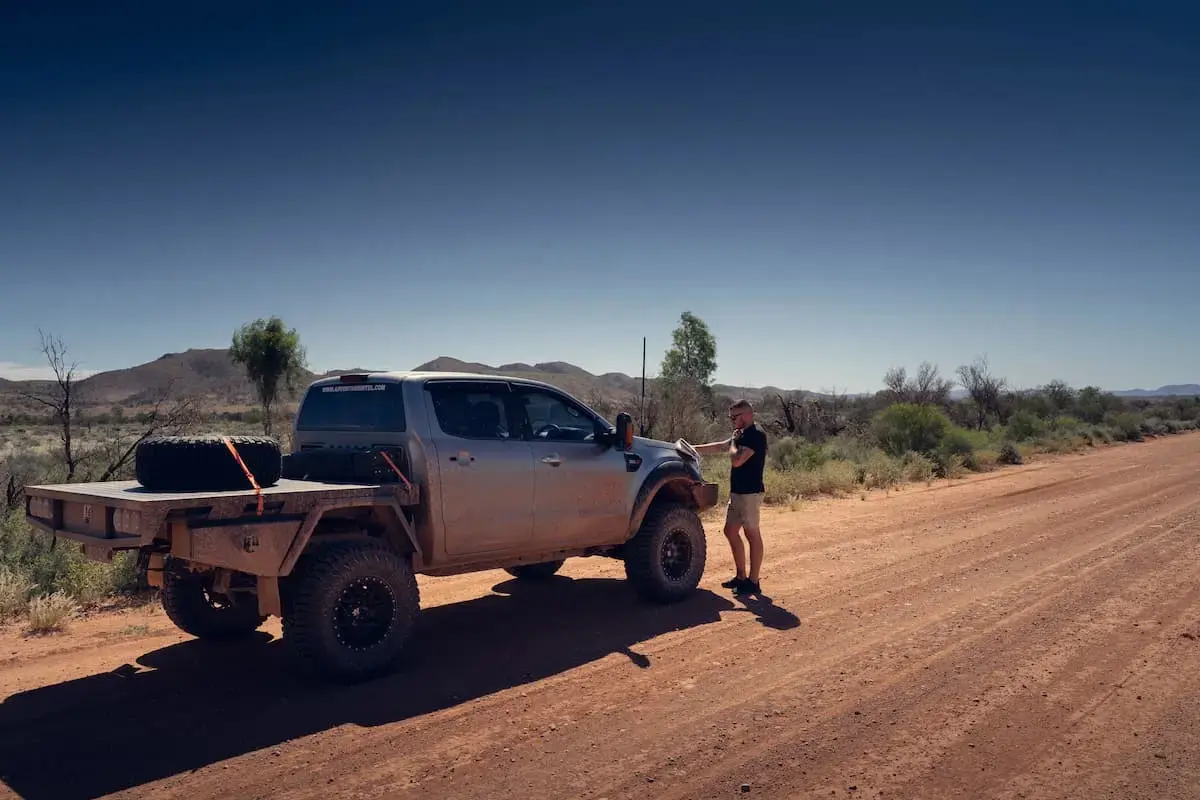
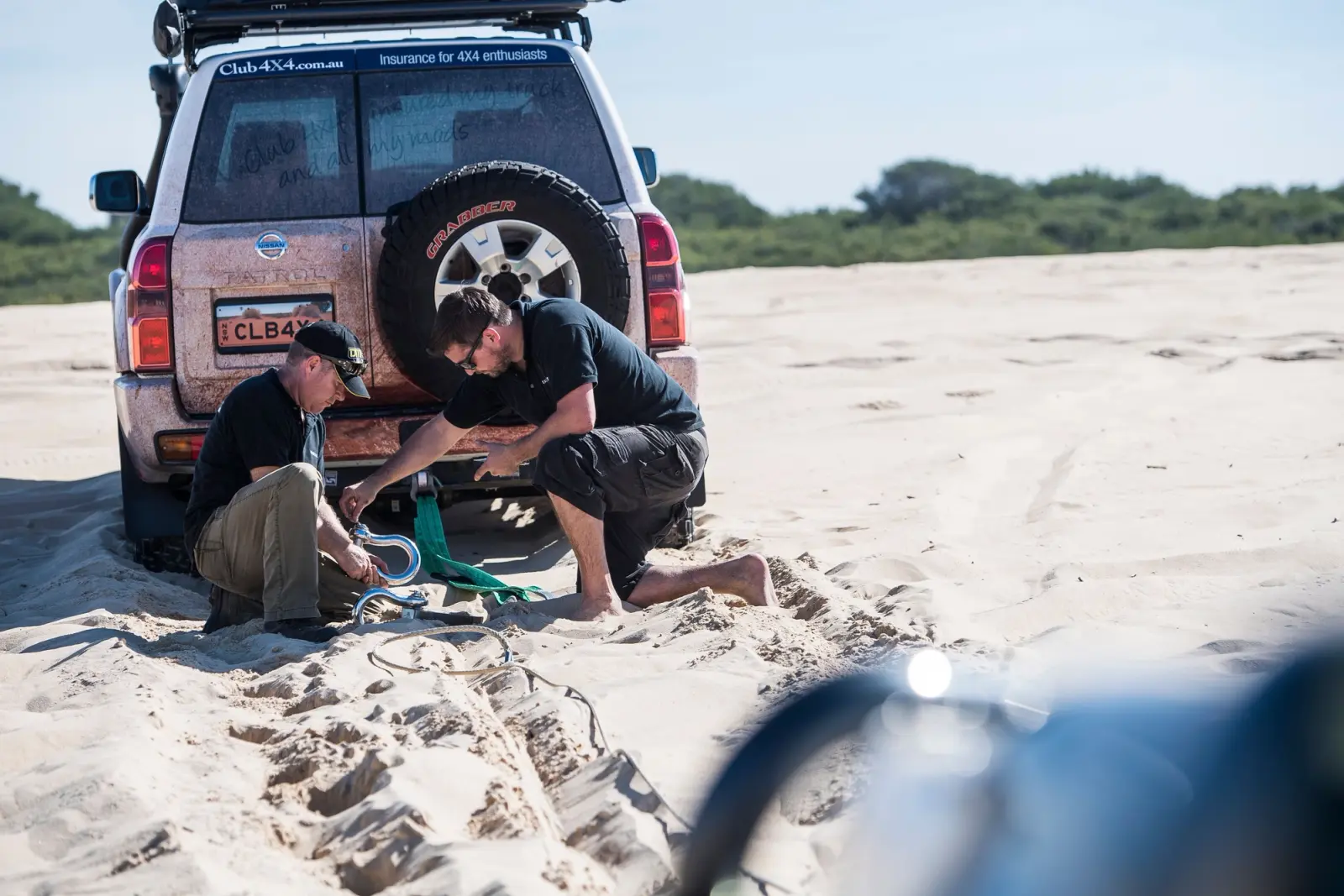
We’ve previously written an article about the $1,500 recovery cover benefit that comes with every Club 4X4 4WD policy. While this is an important benefit should you leave the tarmac and need assistance getting back onto it, most of you will have no idea how to activate or use the cover.
You will probably be surprised to know that you don’t need to ring us to organise a recovery. In the event you get stuck and need recovery, all you need to do is contact a registered/licensed towing and recovery company and arrange for your vehicle to get recovered, and then once you get back to civilisation call us to lodge a claim. Once approved, we will then refund you up to limit of the recovery benefit you’ve chosen (default is $1,500.00), less the applicable excess ($200 is the standard recovery excess but this may differ if you are also claiming for an insured event like a vehicle accident.)
Why does it work this way?
We’ve designed the recovery cover this way because it is the simplest and fastest way for you to get recovered. By dealing direct with the towing company, you can pass on information first hand. It avoids any misinterpretation of the message, and also saves time by avoiding you having to contact us to contact a towing company and then have them try to contact you. I know that if I’m stuck, I want to talk directly to the person that can help, not someone in a call centre miles away!
But how do I know who to call?
This is a very good question because there is not really an easily accessible national list of off-road recovery organisations. We are working on establishing such a list and will be providing all of our customers with a glove-box friendly Offroad Recovery brochure (which contains a national list of providers so you know who to call if you get stuck) in the very near future.
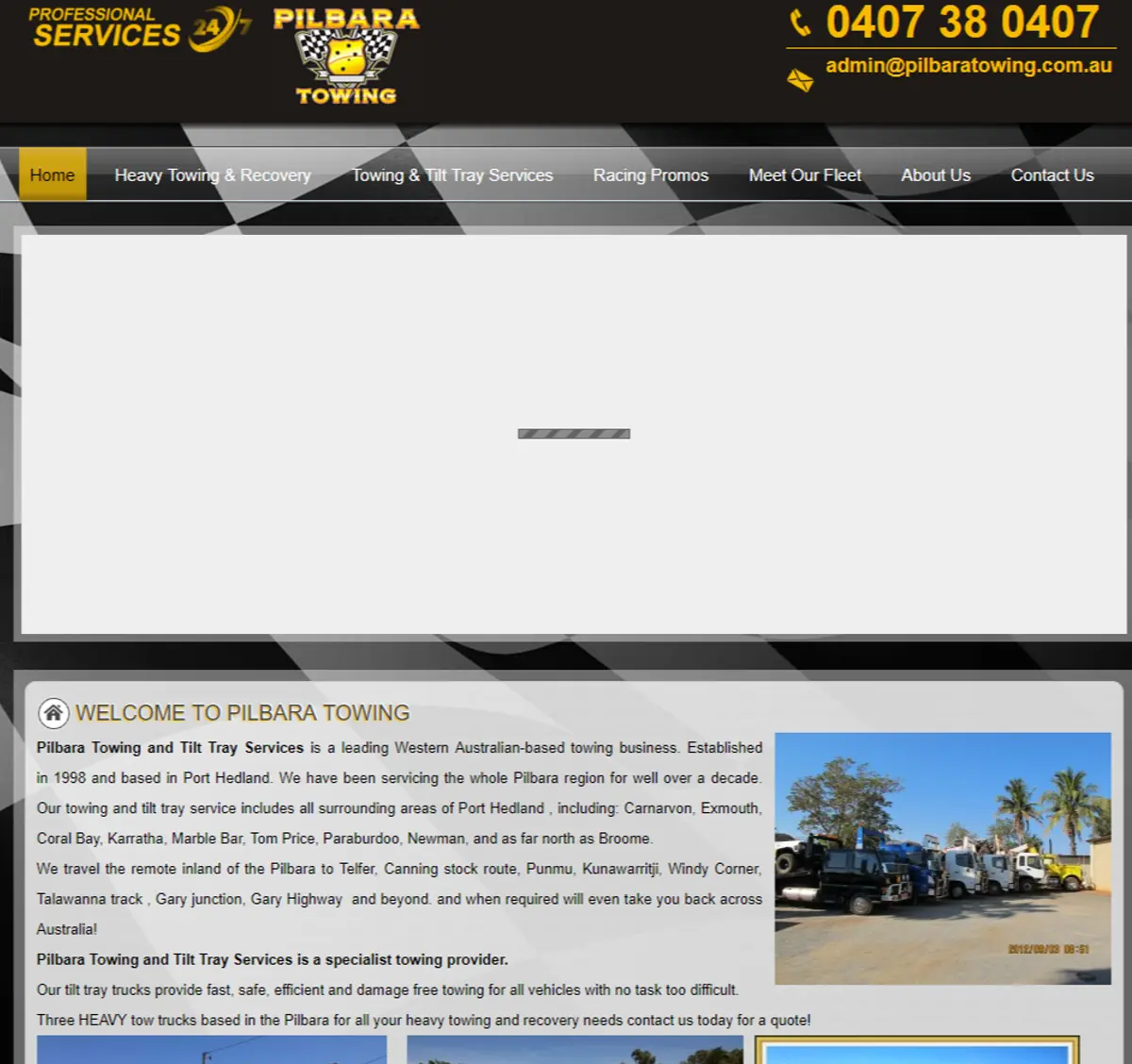
In the meantime, the best thing to do is your own research with Mr Google for each area you are travelling to. For example, if you are heading to the Pilbara region, and Google Pilbara off road recovery, the following comes up.
Be prepared
As always, the scouting motto applies here. If you are heading somewhere remote where mobile reception is patchy or non-existent, either take a Satellite Phone, or make note of the nearest place with reception and know how to get back there if you get stuck.
I hope that helps you understand how to use the Recovery Cover. Don’t forget that if you are heading away somewhere particularly remote, plan on a recovery costing you $400 per hour, and that the meter runs from the time they leave their depot until they get back. In this case, you should consider increasing your cover to either $15,000 or $30,000. Please note that this cover can’t be increased during the policy period – only increased on the inception of a new policy or at renewal. And it can only be used once per policy period.